Annual day photographs are among a school's most treasured memories. They are also easy to copy, forward and reuse long after an event. A little planning can help your school celebrate students while respecting families' choices.
Before the event: decide what each photograph is for
List the intended uses separately: a private parent gallery, the school's website, social media, a prospectus or a local newspaper. These audiences and purposes are different. A parent's agreement to one use should not automatically be treated as agreement to every other use. Ask your legal adviser how to frame notices and consent for your particular circumstances.
Give parents a clear contact point and a practical way to communicate their preferences. Make sure the person collecting those preferences can pass relevant instructions to the event team without circulating a full student list unnecessarily.
During the event: brief the people taking pictures
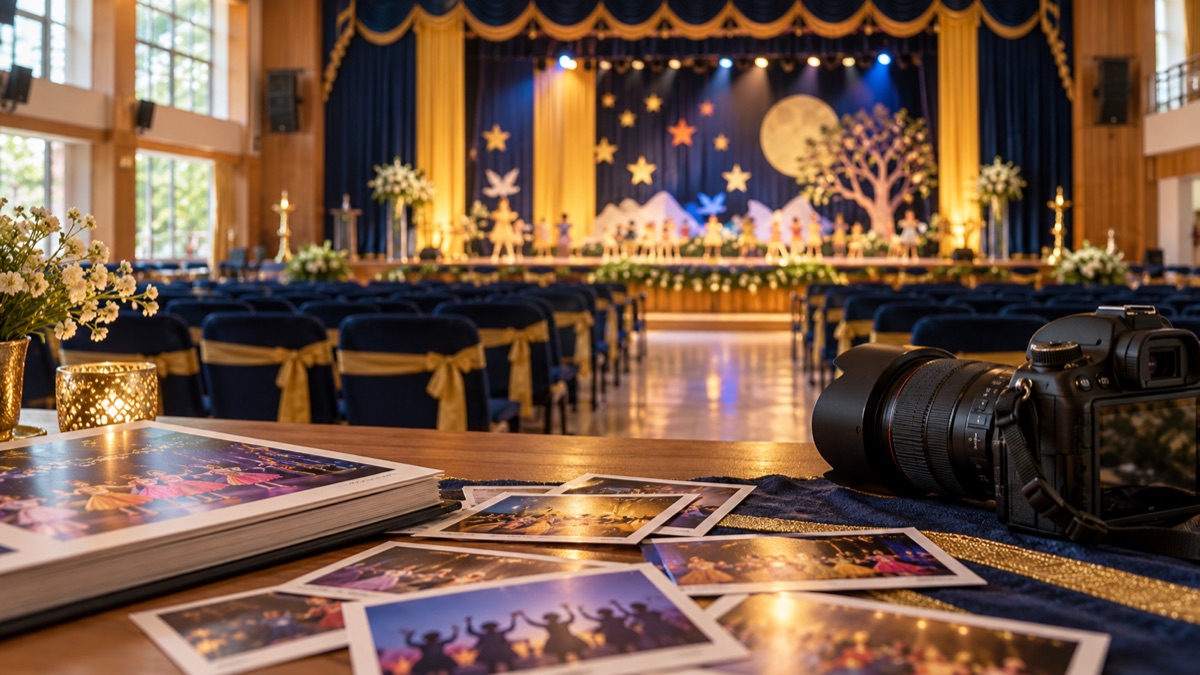
Tell staff and photographers which areas and activities are being photographed, how images will be transferred, and who can access them. Include external photographers in the briefing. Agree who can approve a picture before it leaves the school and what happens to the photographer's copies.
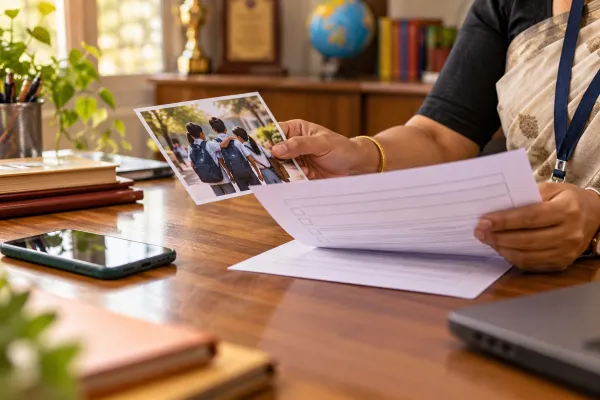
A crowded stage or group photograph can include several children. Assign an adult to check the relevant permissions and school policy before the image is used. If a safe decision is not possible in time, choose a different image or wait for review.
After the event: separate review from sharing
- Collect the images in a controlled location instead of several personal phones or open folders.
- Review pictures for the intended audience and any known restrictions.
- Share through a method appropriate to that audience; a private gallery still needs access controls and a review process.
- Record the decision and the person responsible for follow-up.
- Agree when originals and vendor copies will be reviewed or deleted, subject to applicable retention needs.
If a parent asks for an image to be removed, identify where it has been shared and who controls each copy. Take the request seriously, keep a record and respond through the school's established process. Copies already shared by third parties may not be fully recoverable.
Where MediaGuard fits
MediaGuard, from LIT, is intended to help schools manage media workflows and relevant consent information. Ask for a demonstration using your actual photo-sharing process; integration scope and compatibility with a particular consent system need to be confirmed. A tool does not replace clear notices, staff decisions or legal review.
For broader context, read our guide to the future of school photo sharing and parental consent management guide.
Legal context, checked 29 October 2026: The DPDP Act and 2025 Rules have phased commencement; relevant provisions and exceptions must be checked for the actual activity. Consult the Act, commencement notification and final Rules. This checklist describes practical preparation, not a legal determination.
What does this mean for your school?
Turn the guidance into a practical plan for your school, from policies and staff to parent permissions and media.