
Make Your School DPDPA-Ready — Without Extra Work
The Digital Personal Data Protection Act (DPDPA) applies to every Indian school. Parents expect privacy, trust, and control when it comes to their child’s photos and data. We help you comply with the law while simplifying your daily workflows.
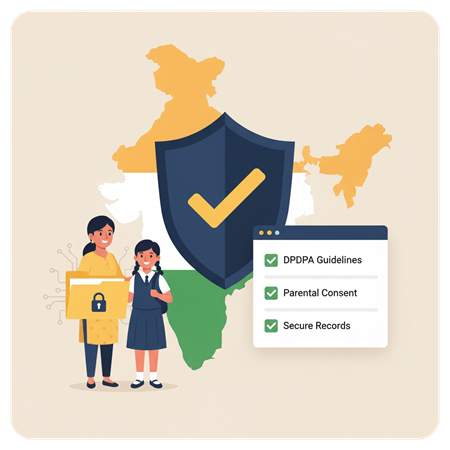
Powering schools today with compliance, protecting students’ data for tomorrow.





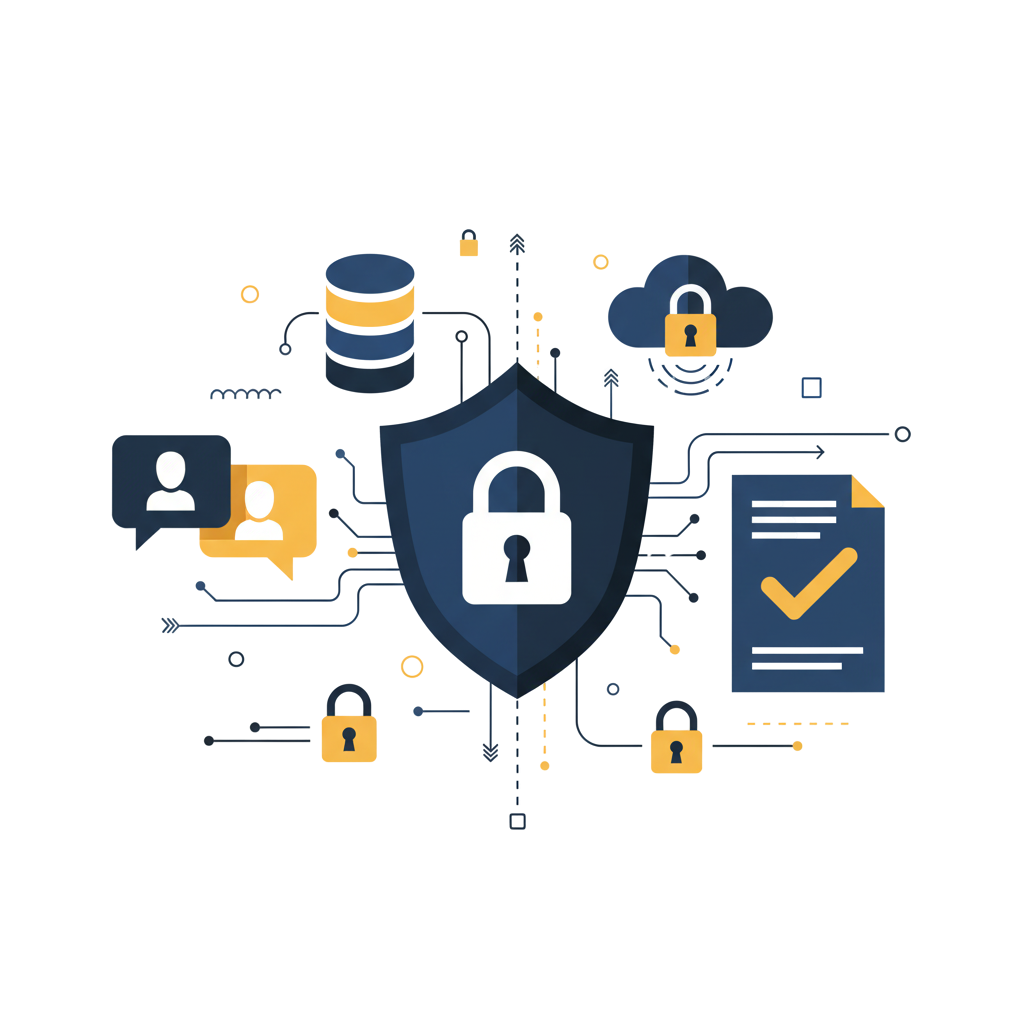
Powerful solutions for schools under India’s DPDPA.
We help schools build trust with parents while staying compliant with the Digital Personal Data Protection Act, 2023. Our solutions simplify complex legal requirements into easy-to-use systems for consent, data security, and privacy-first media workflows. Whether you’re a small school or a large institution, we deliver the right-fit compliance framework — optimized for your daily operations and future-ready for audits.
Learn more about our latest updates and insights
Services to Make Your School DPDPA-Compliant
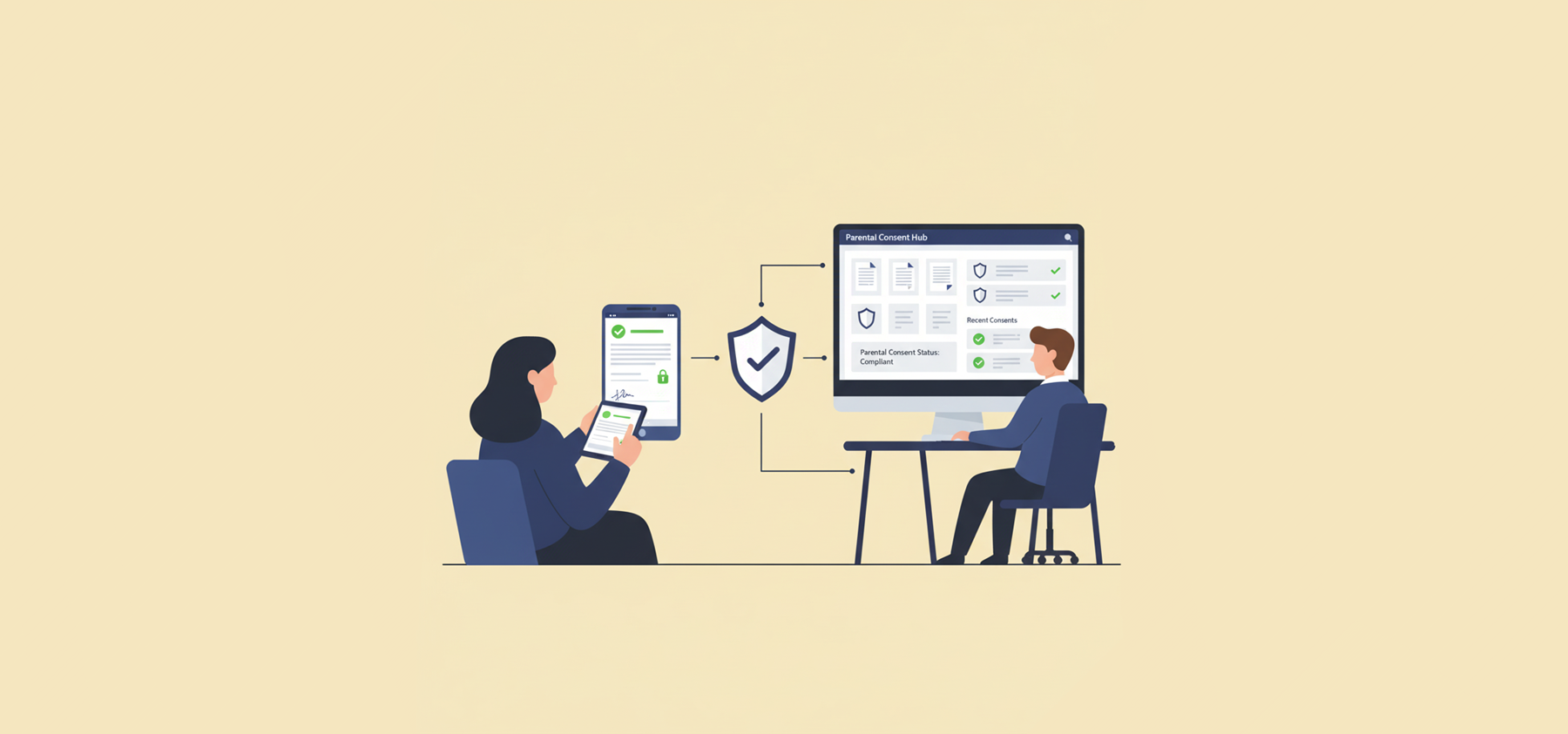
Simple, secure digital consent workflows.
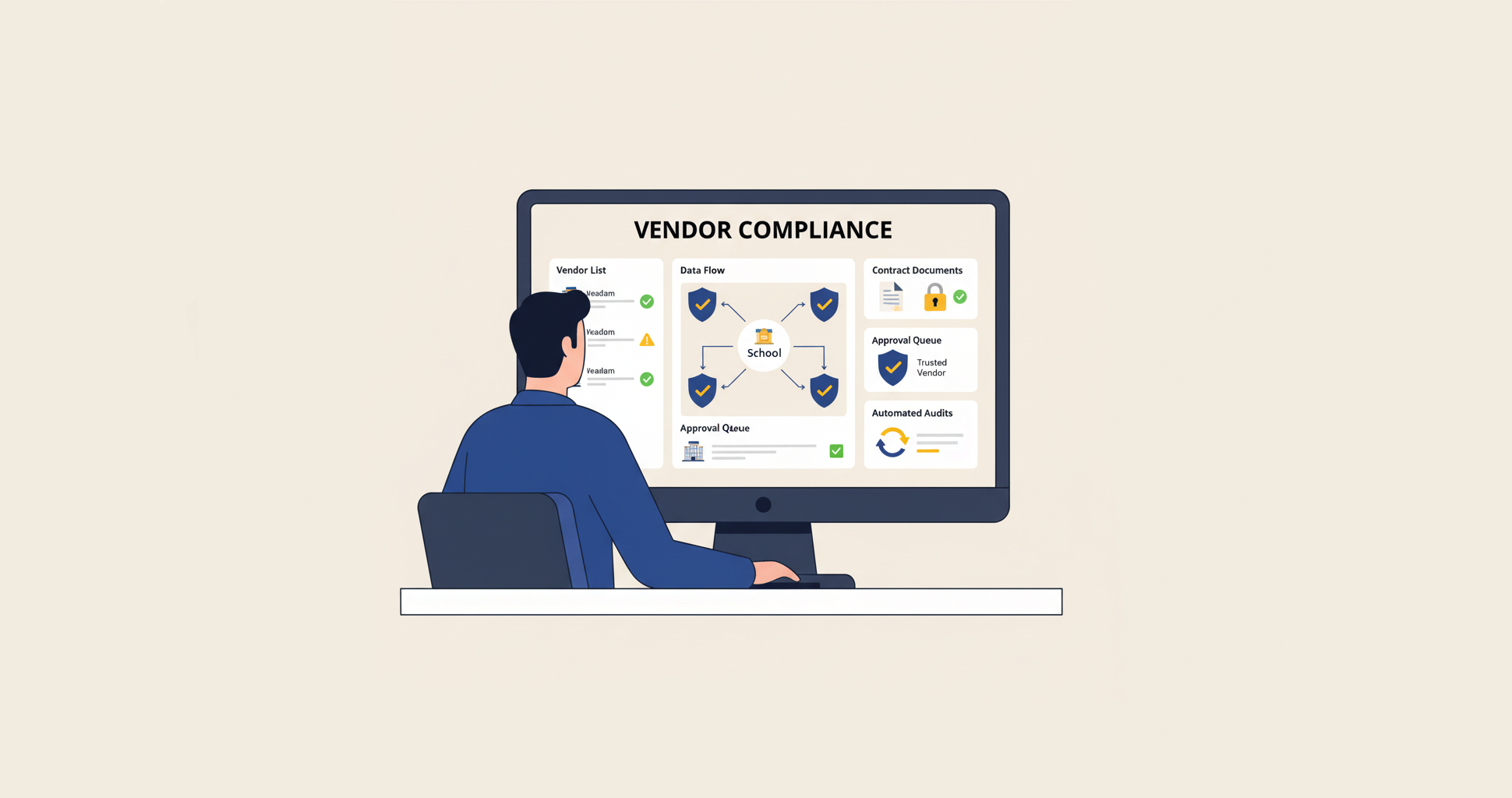
Identify risks and close compliance gaps.
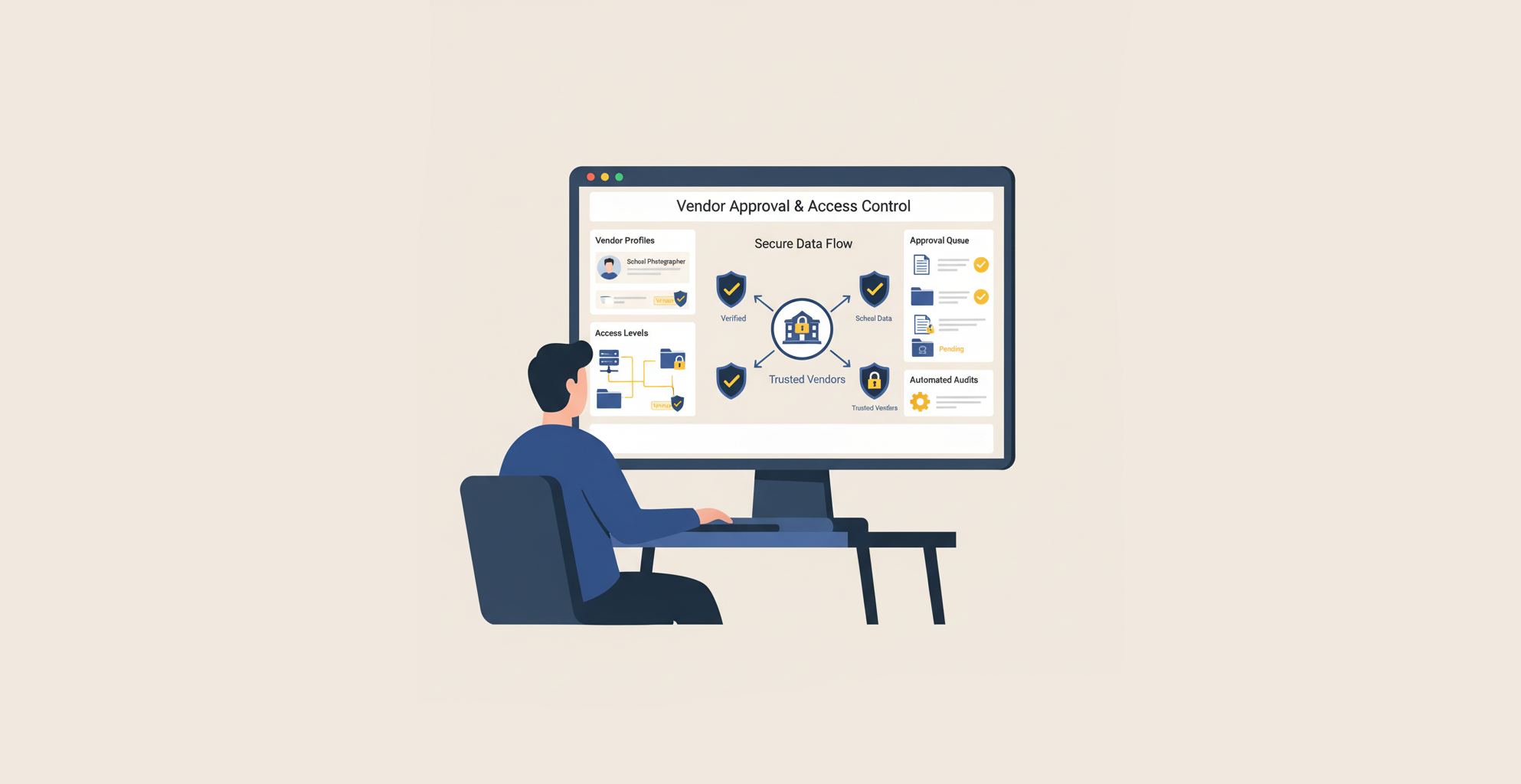
Ensure third-party vendors comply with DPDPA.
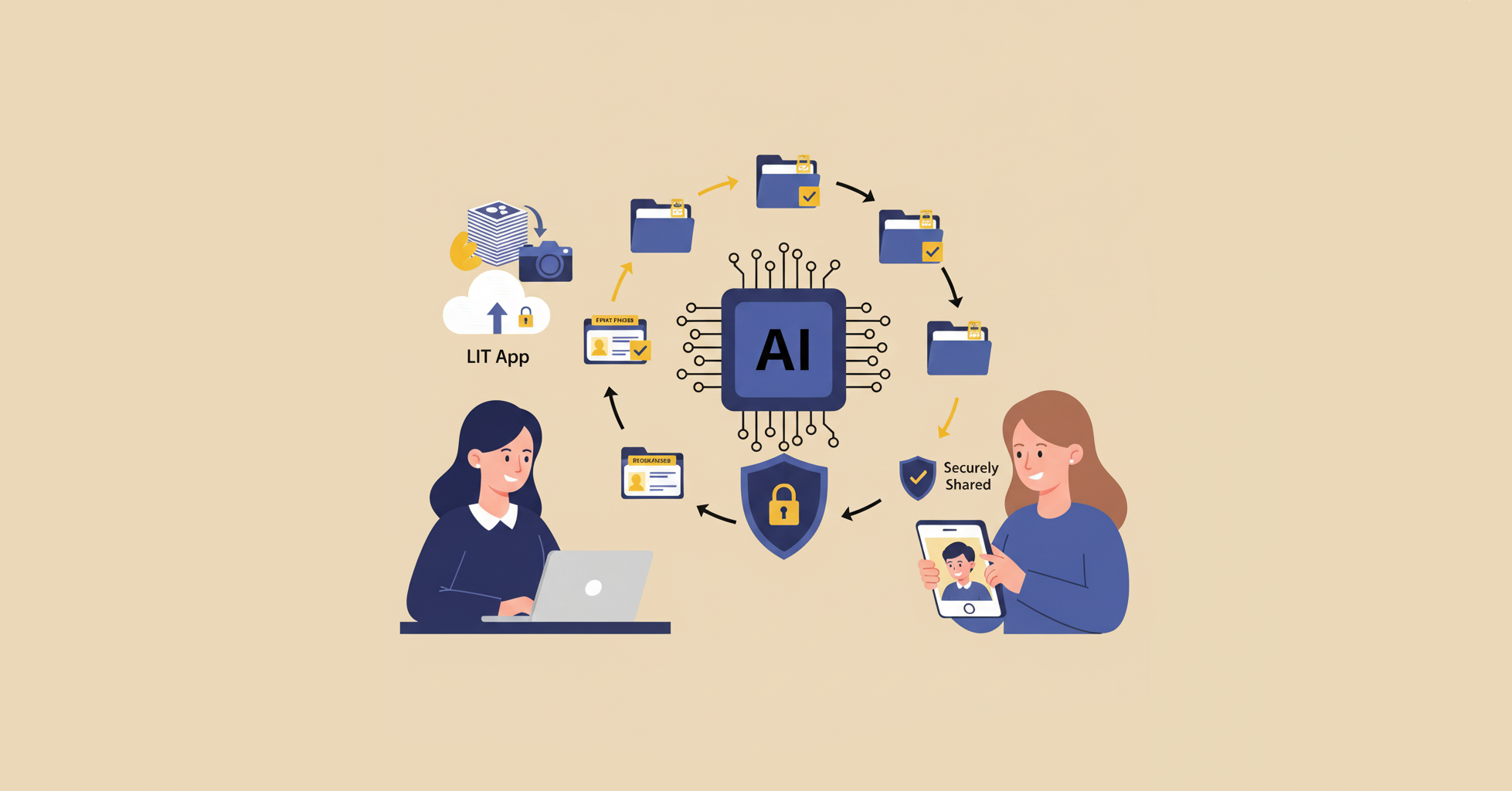
Secure photo and video sharing with parents.
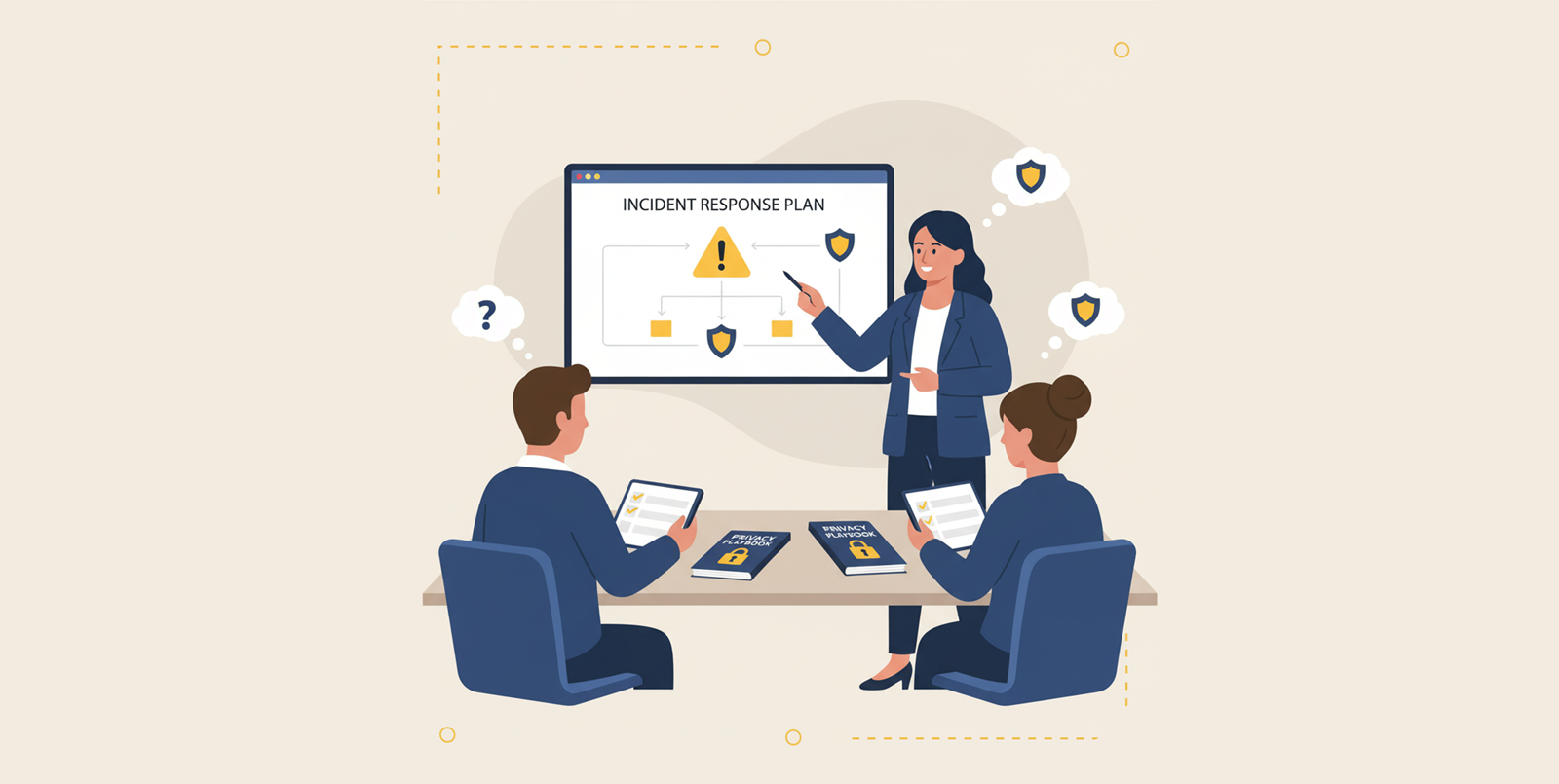
Build awareness and best practices within your school.

Stay future-proof as laws evolve.
Simplifying DPDPA compliance so your school can focus on students, not paperwork.
The Real Benefits of Compliance
We take pride in helping schools stay DPDPA-compliant, safeguarding student data, and building lasting trust with parents through secure and future-ready solutions.
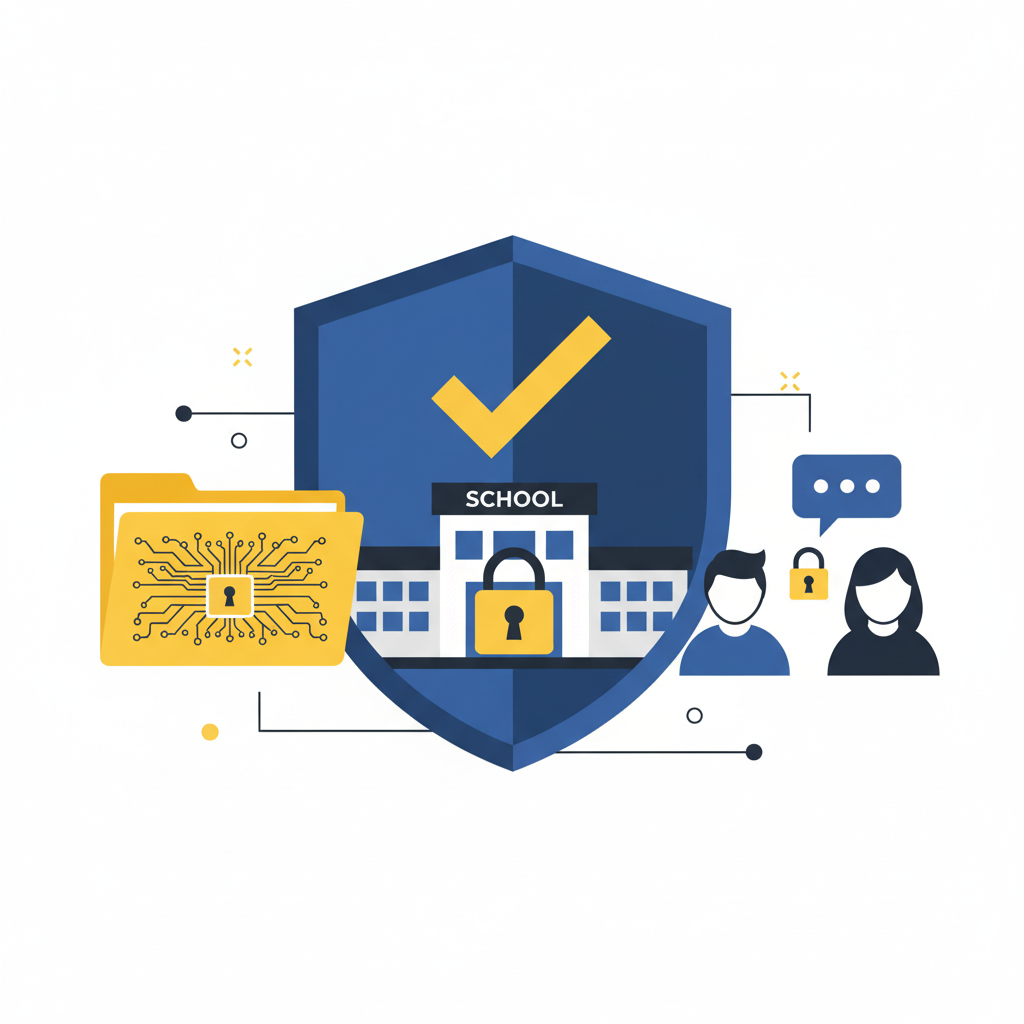
Privacy-first innovation in school events.
Insights on Privacy & Compliance in Education
-
 DPDP Compliance in Playschools: Managing Apps, Vendors, and Digital Tools Safely
Learn how playschools can manage apps and vendors safely under DPDP. A practical guide to protecting children’s data beyond the classroom.
2026-01-14 -
 Digital Personal Data Protection Act (DPDPA) 2023: What It Means for Schools and Educational Institutions
Understand the Digital Personal Data Protection Act 2023 and what it means for schools, playschools, colleges, and universities. A simple, practical guide for education leaders.
2026-01-14 -
 DPDP Act 2023 From a Playschool’s Perspective: Protecting Children Beyond the Classroom
Understand DPDP Act 2023 from a playschool’s perspective. Learn how early-education institutions can protect children’s data and build parent trust.
2026-01-14
️ DPDPA Act: Potential Penalties for Schools
Ignoring the DPDP Act could cost your school crores. Our solutions keep you safe, compliant, and stress-free.
| Violation | Max Penalty |
|---|---|
| Failure to implement security safeguards | ₹250 crore |
| Failure to notify data breaches | ₹200 crore |
| Issues with children’s data handling | ₹200 crore |
| Lapses by major data fiduciaries | ₹150 crore |
| Other violations under DPDP Act | ₹50 crore |
Source: DPDP Act, Govt. of India
FAQs
The DPDPA is India’s data protection law that governs how personal data is collected, used, and stored. It sets requirements for consent, data security, and user rights. The Act came into force in 2023 and applies to organizations processing personal data in India, including schools.
All schools in India that collect, store, or process personal data of students, parents, staff, or vendors must comply with the DPDPA. Compliance obligations depend on the type and scale of data processing—public, private, large, and small institutions should assess their exposure.
Processing includes any activity performed on personal data: collection, recording, storage, use, disclosure, sharing, or deletion. For schools, typical processing examples include student enrolment records, photographs, attendance logs, communications with parents, and third-party services that handle school data.
Implementation time varies by school size, current maturity, and scope. A focused compliance audit and prioritized action plan can deliver meaningful improvements in weeks; full implementation (policies, systems, training, vendor governance) typically takes a few months. We offer staged roadmaps to fit different schedules.
If a parent withdraws consent, the school must stop processing the specific data for the purpose covered by that consent, unless another lawful basis applies. The school should provide clear procedures for withdrawal and document the action. Some operational records may still be retained if legally required; consult policy guidance.
The DPDPA includes significant penalties for various violations (including failure to implement safeguards or to notify breaches). Penalty amounts vary by the type and severity of violations. Schools should treat compliance proactively to avoid reputational damage and financial risk.
Implementation time varies by school size, current maturity, and scope. A focused compliance audit and prioritized action plan can deliver meaningful improvements in weeks; full implementation (policies, systems, training, vendor governance) typically takes a few months. We offer staged roadmaps to fit different schedules.
Yes. Privacy-first workflows and consent management systems can be integrated with common LMS/ MIS platforms using APIs or secure connectors. Integration ensures single-source consent records and reduces manual work — but we always verify compatibility and data flows in a discovery phase.